Key takeaways
- NEAT – non-exercise activity thermogenesis – is the energy you burn through everything that isn’t sleeping, eating or deliberate exercise.
- Researchers have found that NEAT can differ by hundreds and in some cases up to around 2,000 kcal per day between people of similar size.
- Long, uninterrupted sitting is linked to health risks that one evening workout does not fully cancel out.
- Small, repeated movements – standing, walking, stairs, chores – add up. PHYSTEP is designed to make each of those movements burn up to 20% more.
PHYSTEP started with a frustration many office workers know: you sit in the same chair for eight hours, then feel you have to “make up for it” with a hard workout in the evening. There is a smarter way to think about daily calorie burn – and it has a name: NEAT.
What is NEAT?
Your total daily energy expenditure has four main parts:
| Component | What it is | Typical share |
|---|---|---|
| Basal metabolic rate (BMR) | Energy to keep you alive at rest – breathing, circulation, organs | ~60–70% |
| Thermic effect of food | Energy to digest and process food | ~10% |
| Exercise activity | Planned training – gym, running, classes | Often 0–10% for most people |
| NEAT | Walking, standing, fidgeting, chores, commuting, playing with kids, shopping… | Highly variable – the most changeable part |
The term was popularised by Dr. James Levine, an endocrinologist who spent years at the Mayo Clinic studying why some people gain weight more easily than others. His research showed that the differences in how much people move in daily life – not just how much they exercise – explain a large part of the variation in energy expenditure. In one well-known study published in Science in 2005, people with obesity sat on average about two hours longer per day than lean participants; the researchers estimated that adopting the lean participants’ NEAT habits could burn roughly 350 kcal more per day.
Why sitting all day is a problem
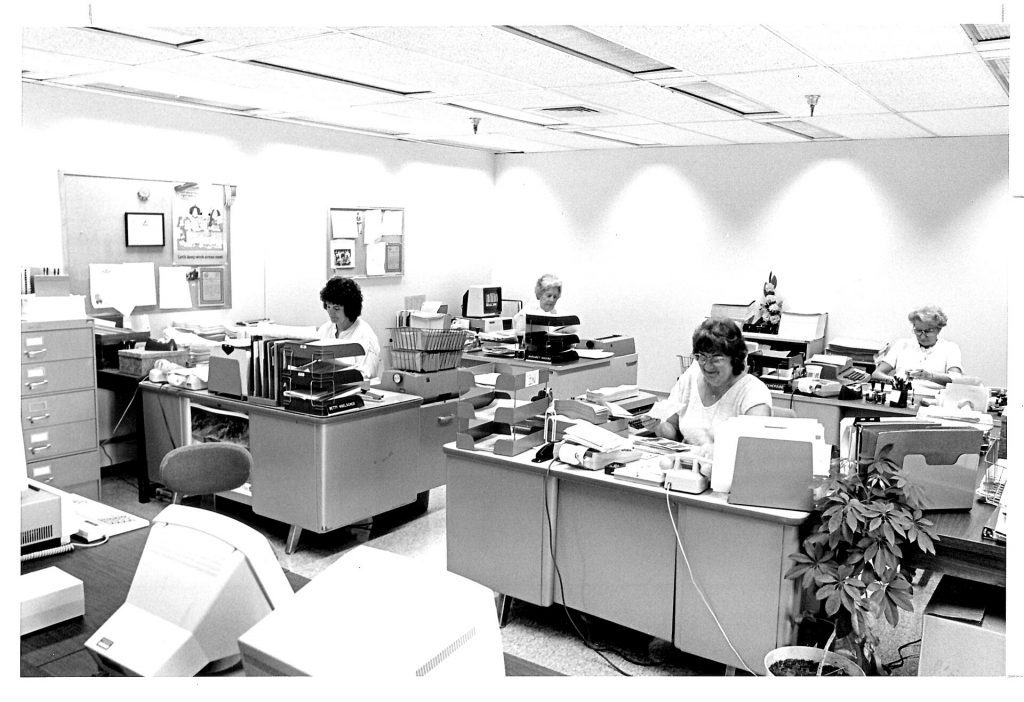
Sitting itself is not evil – but sitting for long, uninterrupted periods reduces muscle activity in the legs to almost zero. The large thigh and buttock muscles, which normally help regulate blood sugar and fats, go quiet. Studies have linked high sitting time to increased risk of cardiovascular disease, type 2 diabetes and early death.
The good news: a large meta-analysis in The Lancet (2016) including over one million adults found that about 60–75 minutes of moderate activity per day appeared to eliminate the increased risk of death associated with high sitting time. That sounds like a lot – but it does not have to be in one block. Walking to work, taking the stairs, a walk at lunch and moving around the office all count.

How many calories do everyday activities burn?
Approximate values for a 70 kg person, based on MET values from the Compendium of Physical Activities (1 MET ≈ 1 kcal per kg per hour):
| Activity (30 minutes) | METs | ≈ kcal |
|---|---|---|
| Sitting at a computer | 1.3 | 45 |
| Standing, light office work | 1.8 | 65 |
| Walking slowly around the office | 2.0 | 70 |
| Housework – cleaning, vacuuming | 3.3 | 115 |
| Walking at a moderate pace (5 km/h) | 3.5 | 125 |
| Cycling to work, easy pace | ~5.8 | ~200 |
| Climbing stairs | ~8 | ~280 |
Estimates. Actual energy use depends on body size, fitness and intensity.
Notice the jump from sitting (45 kcal) to walking (125 kcal) and stairs (~280 kcal). Swapping just a few sitting blocks for movement each day can make a noticeable difference over a month – and these are exactly the movements where PHYSTEP’s Phy-TP® system can add up to 20% more.
15 ways to raise NEAT at a desk job
At the office
- Use the 30/5 rule: after every 30–60 minutes of sitting, stand up and move for 2–5 minutes.
- Take every phone call standing or walking.
- Walking meetings for one-to-ones and brainstorming.
- Stairs instead of the lift – stairs are one of the highest-intensity everyday activities for your thighs.
- Use a printer, kitchen or bathroom further away.
- Refill a small water bottle often – more trips, better hydration.
- Alternate sitting and standing if you have a height-adjustable desk. Standing alone burns only slightly more than sitting, but it makes it much easier to start moving.
- Deliver messages in person instead of chatting with the colleague two desks away.
Commute and home
- Walk or cycle all or part of your commute; get off one stop early.
- A 10-minute walk after lunch and dinner – about 1,000 steps each and good for blood sugar.
- Turn chores into movement: tidy, vacuum, garden, carry shopping instead of using a trolley.
- Active TV time: stretch, do squats or walk during ads or between episodes.
- Play with children or pets – it is NEAT in its most fun form.
- Track it: watch your daily step average rather than single days. See our steps guide.
- Wear clothes that let you move – and ideally make movement count more.
A sample “active workday”
| Time | Habit | Steps / effect |
|---|---|---|
| 08:00 | Walk 10 min from the station | ~1,000 steps |
| 09:00–12:00 | Stand up every 45 min, stairs to meetings | ~1,500 steps + 6 flights |
| 12:30 | Lunch walk 15 min | ~1,500 steps |
| 13:30–17:00 | Walking 1:1, standing calls, refills | ~1,500 steps |
| 17:30 | Walk back to the station | ~1,000 steps |
| Evening | Chores + 10 min after-dinner walk | ~2,000 steps |
| Total | ~8,500 steps without a workout | |
Where PHYSTEP fits in
Our founder designed PHYSTEP for exactly this lifestyle: comfortable enough for the office, stylish enough for a meeting, and built to make the muscles of the thighs work harder with every step to the printer or flight of stairs. In our veloergometry tests, Phy-TP® increased calorie expenditure during movement by up to 20%. It won’t burn extra calories while you sit – but it makes every NEAT habit above more effective.
Sources & further reading
- Levine JA. Non-exercise activity thermogenesis (NEAT). Best Practice & Research Clinical Endocrinology & Metabolism. 2002;16(4):679–702.
- Levine JA, Lanningham-Foster LM, McCrady SK, et al. Interindividual variation in posture allocation: possible role in human obesity. Science. 2005;307(5709):584–586.
- Ekelund U, Steene-Johannessen J, Brown WJ, et al. Does physical activity attenuate, or even eliminate, the detrimental association of sitting time with mortality? The Lancet. 2016;388(10051):1302–1310.
- Ainsworth BE, et al. Compendium of Physical Activities (2011; 2024 update).
Tags: calorie burning, NEAT, office, sitting

Written by the PHYSTEP team in Riga with input from our physiotherapist. Our articles are for general education and are not a substitute for personal medical advice. About us